 CNA Training Institute Training & Career Guidance Team
 Nursing aides assist doctors and registered nurses (RNs) in patient care in a variety of clinical or wellness environments. It truly is physically and emotionally challenging work, but it also gives you numerous opportunities to do things for others who need it and truly make a difference in their lives. You can determine if you want to invest in a nursing assistant career by understanding what they really do. In this article, we will discuss what a nursing aide does on a day-to-day basis, what their duties are, the educational background you should have, and how you get to be a nursing aide. And once you’re ready, you can find the best CNA school right here to get started.
What does a nursing assistant do?
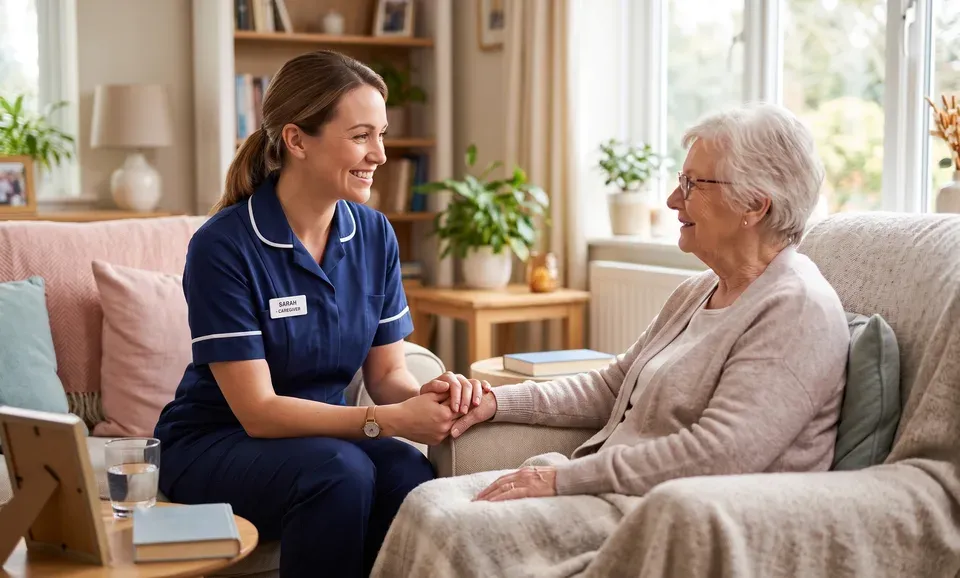
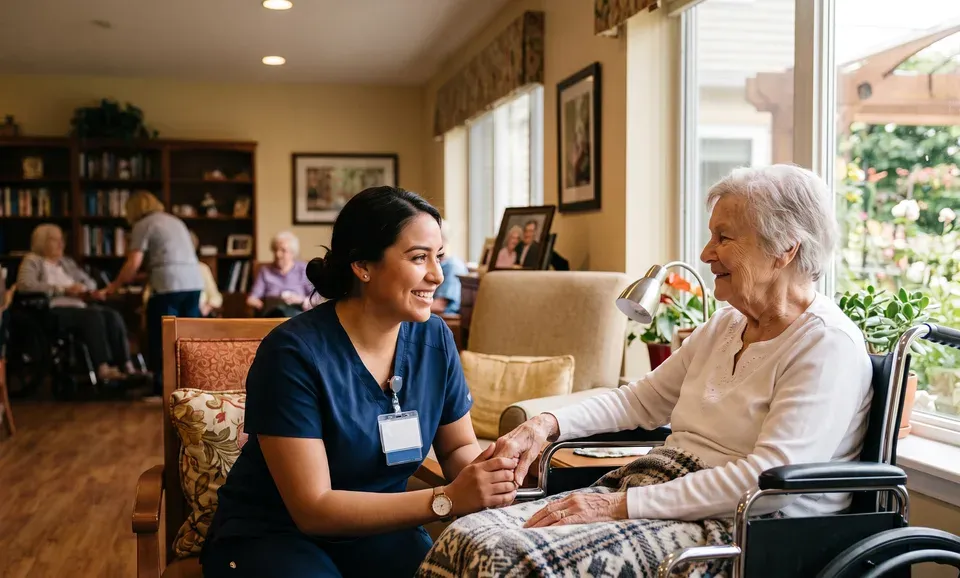
A nursing aide provides support to patients, assists them in their recovery, and helps them to be cared for by experienced individuals such as doctors and RNs. Typically, as part of a wider nursing team, most work involves clinics, hospitals, and nursing homes. The skills that are typically required to succeed in this job include:
Strong nursing skills
Genuinely good communication
A kind, caring nature
A calm, level-headed outlook
The stamina to work long shifts
Comfort handling clinical equipment
How to become a nursing assistant
Steps to Becoming a Nursing Assistant:
1. Clear 10+2
You can get into nursing assistant certificate and diploma courses once you’ve passed your tenth grade Secondary School Certificate (SSC) from a recognized board. Clearing your 10+2 Higher School Certificate (HSC), ideally in the science stream, tends to open more doors later, though arts and commerce students are welcomed too. Some programs and employers do prefer that 10+2 qualification, especially if you’re thinking about higher nursing studies down the road. Getting more than the minimum 50 percent may be an advantage, as admission is truly competitive. It is also important to explore the best nursing school in Dubai, as there are opportunities in Dubai for qualified nurses.
2. Complete a declaration course
In addition, a certificate program in Nursing Care Assistant (CNCA) can be pursued following Tenth grade. Admission can be by merit or direct, and the course typically lasts from just a few months to a year. Alongside classroom learning from experienced healthcare professionals, you’ll get hands-on training at leading care centers. Students are usually taught human anatomy, first aid, wound care, patient management, antenatal and postnatal care, handling medications, biomedical waste management, clinical documentation, and a lot more. Many also incorporate soft skills such as personality development, spoken English and basic IT skills, and some even offer internships as part of the curriculum.
After training, you will be able to assist in nursing care in hospitals, nursing homes, maternity wards, child care centres and in the home. You will be able to work with doctors and registered nurses to evaluate patients, clean and dress wounds, administer medication, provide injections, monitor patient progress and maintain health records. If you’re looking to pursue a career as a CNA, Dubai has some great opportunities in this field.
3. Procure a DNCA confirmation
A two-year Diploma in Nursing Care Assistant (DNCA) is also available following 10th grade. This course usually includes courses in nursing fundamentals, clinical surgical skills, and community health issues. After graduation, graduates are employed by RNs and doctors in hospitals, clinics, nursing homes, and educational settings where they help to carry out procedures, administer first aid, perform administrative tasks, and assist with clinical documentation.
Entry into the nursing assistant course in Dubai is usually merit-based or direct, and they normally open in the month of April or May or June. They usually follow the Indian Nursing Council guidelines. May be required to take a written examination and/or interview. Typical course topics include basic pharmacology, first aid, patient safety, personal hygiene, communication skills, professional etiquette, community health nursing, and pediatric nursing, in addition to the introduction to nursing.
4. Acquire an ANM confirmation
You should have passed your 10+2 examination with science, arts, or commerce in any board from a recognized education board with 45% marks and an age between 17 and 35 years to be eligible for the two-year Auxiliary Nursing and Midwifery (ANM) diploma. Typically, a medical and mental fitness certificate is also necessary.
5. Secure a GNM certificate
The General Nursing and Midwifery (GNM) Course is a three-year duration diploma course. Generally, passing in the science stream with 10+2 with physics, chemistry, and biology with 50 percent overall is a precondition to qualify. The criteria for admission might be merit or competitive entrance exams.
6. Complete a temporary position
After finishing a certificate or diploma course, you can pursue an internship at a hospital or other clinical facility. Sometimes your institution arranges this for you; other times you’ll need to search and apply yourself. Internships typically run six months or longer. Many students choose Dubai specifically for this next step, since the city offers strong medical course training and CNA courses geared toward real career growth.
7. Go after a position
After completing your internship, you may be offered a position right away, or you could browse job boards such as Indeed or look at the websites of hospitals, care homes, and clinical institutions for nursing aide jobs. A neat resume and cover letter template and modifying them for each application really does seem to help. And it is always a good idea to practice and rehearse before an interview.
What are the work liabilities of a nursing right hand?
The exact work a nursing aide does varies day-to-day based on the needs of the patients and the type of care provided; typical care duties include:
Supporting physicians and Registered Nurses in patient admissions, evaluations, and procedures.
Following doctors’ and RN’s orders for patient care.
Receiving calls from patients and/or family members and providing updates on treatment.
Assisting patients in bathing, brushing their hair, shaving, trimming nails, and oral hygiene.
Mopping patient rooms, changing bed linens, and giving fresh clothing.
Providing meals to patients as per their diet plan and recording food and fluid consumption.
Taking blood pressure, pulse, temperature, and weight readings.
Changing dressings, changing bandages, and giving prescribed medicines.
Restocking supplies and setting up equipment in patients’ rooms.
Whether you are thinking of starting your career or you wish to get your experience as a CNA formally recognized, Dubai’s training scene really has a lot to offer for those who are serious about this course.
Ready to start your course?
Speak with our admissions team about blog for your goals.