 CNA Training Institute Training & Career Guidance Team
 Importance of Certified Nursing Assistant & Caregivers Courses
One of the more stable, in-demand career options in the region is the healthcare sector’s support role. Maybe you’ve already spent time helping patients informally, or maybe you’re starting from zero. Either way, if you’re weighing a move into this field, credentials aren’t optional anymore — they’re what separates someone who can talk about patient care from someone employers actually trust to deliver it.
A lot of people searching for the best CNA Certifications in Dubai are asking the same handful of questions: what does the job look like day to day, how long does training actually take, and is it worth the effort. Fair questions. Let’s take a look at them individually.
What a Certified Nursing Assistant Actually Does
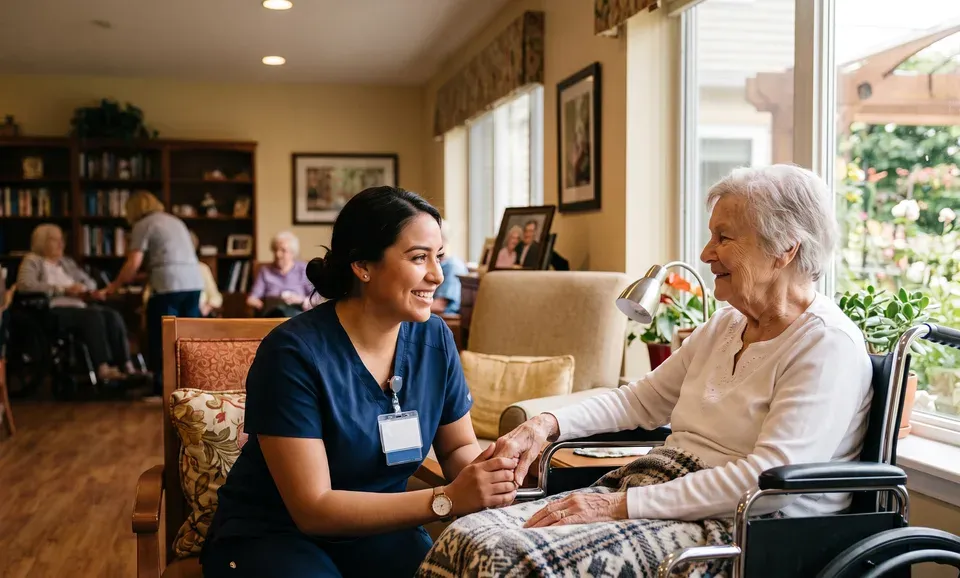
A Certified Nursing Assistant is a service that is provided on paper to assist patients who are no longer able to perform certain tasks independently. Bathing. Getting dressed. Moving from a bed to a chair without falling. In reality it is much more tangible than it sounds and more personal. You’re up and about a lot of the shift and dealing with people who are scared, hurting or lonely.
Patience matters here more than almost anything else on a resume. So does a decent memory, honestly, because you’ll be tracking small changes in a patient’s condition and reporting them before they become big problems. A few things tend to define the role no matter where you end up working:
Listening is most of the job, even though nobody puts that in the title. CNAs communicate with patients more often than any other part of the care team, and are typically the first to notice if something is amiss. That gets passed up to a nurse or doctor. In long-term care, this can turn into a real relationship — some CNAs work with the same patient for years.
There’s also more technology involved than people expect walking in. Charting is digital now at most facilities, and depending on your certification level and where you’re licensed, you might handle medication administration too.
No two placements feel the same. Home care tends to be closer and more personal — you might be the only face a patient sees some days. Hospital work moves faster and covers more patients, with tighter, more defined tasks. The one constant across both is that you need to communicate clearly and stay calm when things get stressful.
Who You’ll Work With, and Who You Report To
CNAs work under an RN or LPN, which means clear communication upward isn’t a nice-to-have — it’s the whole point of the job in some respects. If you can’t flag a problem quickly and clearly, the rest of the care team is flying blind.
Where you end up matters a lot for who you’re caring for. Private homes and nursing facilities skew toward elderly or disabled residents. Hospitals are less predictable — you could be working with a teenager recovering from an accident in the morning and an elderly patient managing a chronic condition by the afternoon. What you’re actually allowed to do shifts too, based on your training level and what your certification covers.
Training: What You Actually Need
You don’t need a college degree for this, which surprises some people. Getting in the door is possible with a high school diploma or GED, and combining formal training with hands-on clinical hours. Before thinking you’ll have to pay to train yourself to be a CNA, you may want to check with hospitals, many of which offer their own training programs for new hires and pay for it.
Getting Licensed
Training alone doesn’t make you employable — certification does, and in some places licensing on top of that. This usually means sitting a state or regional exam that confirms you actually know what you’re doing, after which you get listed on the official CNA registry. Whatever governing body handles this in your area (usually a nursing board or health department) can tell you exactly what’s required, including background checks, which some states insist on.
Or Maybe Caregiving Is the Better Fit
Not everyone wants the clinical, exam-heavy path of a CNA. A certified caregiver role covers similar ground — helping people with daily tasks — but tends to be less structured and more relationship-driven. Caregivers can work in hospitals, residential homes, or private homes, and the job prospects and salary depends on the location, so it is advisable to research this first.
What a Certified Caregiver Actually Does
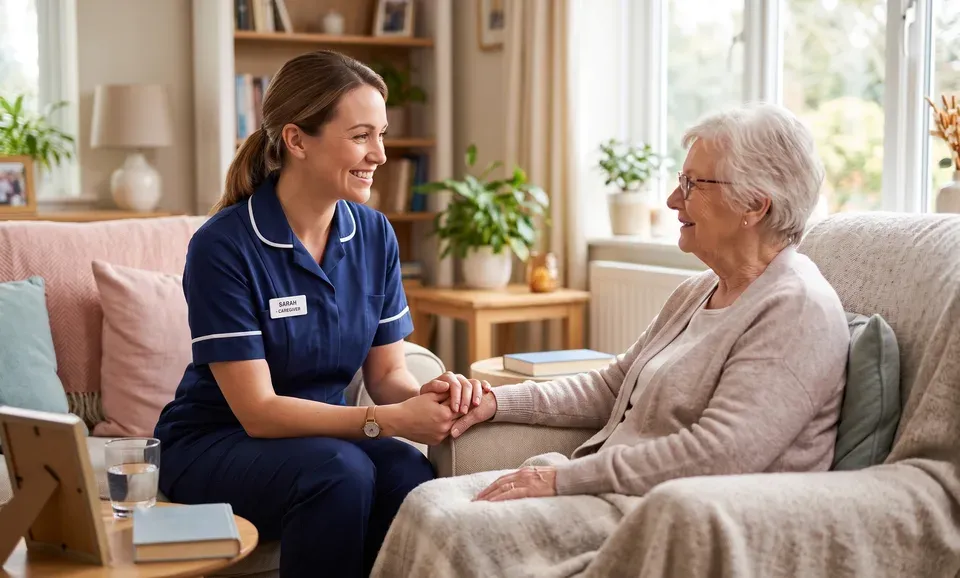
Sometimes called a personal health aide or home health aide, a certified caregiver helps people manage daily life — often elderly patients, or people dealing with illness, injury, or disability. Some caregivers are based in a facility. Others travel between clients’ homes. A smaller number live in, providing care around the clock.
The work covers a lot of ground: getting people to appointments, cooking and light housekeeping, helping with feeding and hygiene, and just being present for someone who might otherwise spend the day alone. There’s also a coordination piece — calling doctors, tracking medication schedules, making sure nothing falls through the cracks.
Specializing
Plenty of caregivers eventually pick a specialty, training further to work with patients managing specific conditions — diabetes, dementia, that kind of thing. You can pick these up through local colleges, online programs, or vocational schools, and how long it takes depends heavily on where you’re studying. We run specialized caregiver training out of Dubai directly, if that’s the route you’re considering.
What You Can Expect to Earn
Pay varies quite a bit — location, experience, and which certifications you hold all factor in. Part-time shifts, weekend and/or overnight work—some caregivers work standard full-time shifts while others work the odd hours that clients require. In fact, your calendar becomes as important as your skills in determining your income.
Why Bother With Caregiver Certification at All
Caregiver certification isn’t just a box to check. It’s proof you sat through the training and then proved you retained it, which matters to employers and to the families trusting you with a relative’s care.
It also doesn’t end once you’re certified. The certification isn’t one and done, rather it’s a commitment that must be fulfilled every year in most areas.
Where This Leaves You
If the clinical structure of CNA work appeals to you, that’s a solid path with real demand behind it. If you’d rather work in a role that’s more personal and less exam-driven, caregiving might suit you better. Either way, the UAE’s healthcare sector needs trained people right now, and getting certified is really the only thing standing between you and starting.
Ready to start your course?
Speak with our admissions team about blog for your goals.